
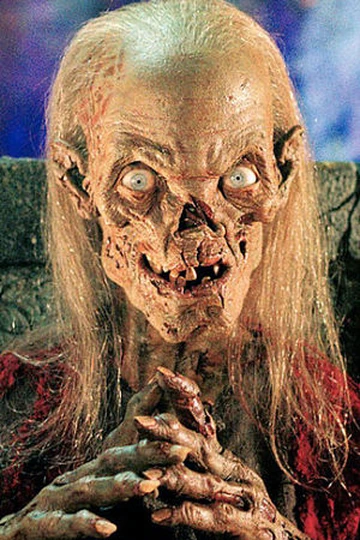
Hello, everyone! Today’s post is a bit different. I re-re-read Rebecca by Daphne du Maurier for my Books of Fall list. This time, I had friends: my mom, my spouse, and Lou (a fellow blogger). We gathered on a video platform on a Sunday morning (for us Americans) and afternoon (for Lou). Nick and I had been better; we both had COVID, so I looked a bit like the Crypt Keeper, but hey, everyone in that meeting is super fond of me, so they accepted my appearance. Thus, this post is different because I’m not reviewing Rebecca — you can read my 2016 review here. I’m going over our thoughts and interesting conclusions. What else are read-alongs for? Here is your warning; if you scroll below the cover photo, I’m assuming you’ve read du Maurier’s novel.
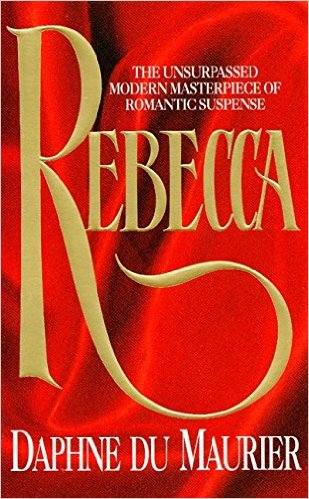
For Lou, Nick, and I, Rebecca was a re-read. I wasn’t aware; I had thought it was the first time for Lou, hence my suggesting it. It was Biscuit’s first time, though, and the phrase “Epstein’s list” cropped up more than once. For this, my third read, it made sense. Not only is Maxim in his mid-40s and the narrator not yet 21, but he finds her in another country away from the safety of a family or community. In addition, I was able to picture the narrator this time with her gawky knees, childishly styled straight hair, and school girl plaid skirts.
Lou felt unforgiving of the narrator on this, her second read. Because Lou knew the ending — that Maxim shot his wife in a fit of rage and got away with it — and that the narrator is in the far future, looking back and telling her story of becoming Mrs. de Winter, Lou believed our narrator was complicit. I noticed that the narrator felt should would lie and perjure to protect Maxim, and I was surprised by how aware she was of her willingness to break the law. Me, a screwy romantic thanks to the Hitchcock movie, still sided with the narrator until I really, really thought about it. If I had known Nick for four months, and he told me he shot his last serious girlfriend, I would have been climbing out the window to get away. I don’t care that his apartment was on the second floor! How on earth do you hitch your wagon to a murderous horse and say “giddyup”??
Even as I read, I really wanted Maxim to get away with murder because Rebecca is the sort of person who drives us all insane: pretend, manipulative, selfish, controlling. Spend two minutes on Facebook, and you’ll see hundreds of people telling each other to “be real.” No one likes a fakey personality.
In fact, I noted that I enjoy Mrs. Van Hopper, the nitwitted gossip who likes to pretend she’s friends with anyone important. And there are still Mrs. Van Hoppers out there! When I was a professor, I went yearly to a writing conference. Every name I mentioned, a name of someone I knew well, to this one particular young writer got the response, “I know him/her, we’re friends.” Later, when I asked said “friend” if they were indeed friends, I got a puzzled face and a question: “Who is this writer?” Nick said he could never forgive Mrs. Van Hopper, though, for she would put out her cigarettes in food and cold cream jars. There was quite a discussion of people ashing on the carpet in older stories.
I loved having my mom in the chat to get her opinion after her first time reading Rebecca. Most people note that Rebecca is like a ghost haunting Manderley, but my mom noted that the narrator is such a nobody with no influence on those around her that it’s like she’s the ghost and Rebecca is still a living presence at the estate. I hadn’t thought of that before!
Lastly, Lou brought a bit of English history to the discussion, which I always love. She noted that the kind of estate Maxim runs, and a place like Manderley, would have been nearly extinct in England by the time of the novel (published in 1938). Estates with servants like that were dwindling by WWI and pretty much gone by WWII. Therefore, that ending during which Manderley is burned to the ground now seems symbolic to me in a new way, as if du Maurier were saying “so long” to the gentry of the county, to the VIP who weren’t royalty. As we know from the opening chapter, the narrator and Maxim are “reduced” to traveling the globe, living in hotels, and reading about cricket to protect Maxim’s nerves.
Books of Fall 🍂🎃🍵
- Feeding Ghosts by Tessa Hulls
- Rebecca by Daphne du Maurier
- The West Passage by Jared Pechaček
- Slewfoot by BROM
- The Bloody Chamber and Other Stories by Angela Carter
- Notes on an Execution by Danya Kukafka
- Just Desserts by G.A. McKevett
- Quest for the Unknown: Bizarre Phenomena by Reader’s Digest
- The Unmothers by Leslie J. Anderson
- Icebreaker by Hannah Grace
- A Life in Letters by Zora Neale Hurston
- Ask Elizabeth: Real Answers to Everything You Secretly Wanted to Ask about Love, Friends, Your Body — and Life in General by Elizabeth Berkley
- Homing by Sherrie Flick
- No Good Deed by Allison Brennan (#10)
- Bitter Thirst by S.M. Reine (Preternatural Affairs #8)
- Deaf Eyes on Interpreting, edited by Thomas H. Holcomb and David H. Smith
- She Throws Herself Forward to Stop the Fall by Dave Newman
- Compassion, Michigan by Raymond Luczak
- Submerged by Hillel Levin
- Fat! So? by Marilyn Wann
- Syd Arthur by Ellen Frankel
 Grab the Lapels
Melbourne Theatre Company are doing a production of Rebecca in October – I’m going to see it and was pondering whether I did a re-read before it… It’s been a very long time since I read Rebecca. Not sure a refresh is a good idea if I sit through the play making comparisons…
LikeLike
That’s true! Just go and enjoy yourself for a night on the town, Kate.
LikeLike
I read this book such a long time ago that I didn’t even think about how young Rebecca was. I think we’ve become more aware of the potential power imbalances in such relationships, although in real life I often argue against what I see as young peoples’ knee-jerk reactions to even being friends with someone older.
LikeLike
I have no cut how old Rebecca was supposed to be. My understanding was she was closer to Maxim’s age, which is early 40s. Or do you mean the narrator? She’s never given a name, though we are told it’s unusual.
LikeLike
Oh! I thought you were saying Rebecca was very young. The much younger second wife isn’t that unusual, which I guess can be just as creepy. I’ll have to reread this book.
LikeLiked by 1 person
Eventually we will look back at literature (and society) and work out when the cutoff was for it to be ok for men to prey on underage girls (and boys, in William Burroughs for instance). I would say sometime in the 1970s. Tr&*@p of course came of age before that cutoff and now can’t grasp that he was doing something evil.
LikeLiked by 1 person
Interestingly, the narrator, it is suggested, was 20, meaning she wasn’t underage, but in today’s world, I think many of us would consider how she’s vulnerable, naive, and a while generation younger. Nick and I used to know a man who was in his 40s and married to a woman in her mid-20s, and we were surprised by his little they had in common because they didn’t have similar cultural touch points of their generations. Later, they got divorced and he married someone even younger. I think she was in her early twenties and he was in his mid to late 40s. We don’t see either of them anymore.
LikeLike
I enjoyed reading and discussing this with you so much! I don’t know if I would say that I am *unforgiving* of the narrator, so much – I just don’t believe what she’s telling me. It seems to me that someone who is actively delighted to find out that her husband is a murderer, and eagerly helps him cover it up, might not have too many qualms about massaging the facts in the story she’s telling to make him (and herself) look less awful. E.g. when Maxim says “I’d forgotten that when you shot a person there was so much blood”, that *strongly* implies that he’s killed at least one other person, but she just doesn’t care about that at all! I’m still somewhat sympathetic to her, in the sense that I think Maxim is a predator – but I just don’t believe what she’s saying.
I hope you and Nick are feeling much better now.
LikeLike
Thank you so much for clarifying, Lou! And also, um, I never realized that he implied he’s shot someone before. Now I just have my fingers crossed that he was in some war, but you’ve got me doubting EVERYTHING in the most interesting way!
LikeLike
I have only read this once, and I loved it, so I don’t think I want to read it again, LOL! 😉
LikeLiked by 1 person
Really enjoyed reading about your group discussion! I read this long ago and remember feeling very uncomfortable with how everyone thought it was such a great romance. Sorry to hear you and Nick had COVID. Hope you’re both feeling better!
LikeLike
I’m glad you were sharp enough to catch all the weirdness. This book has taught me that I’m flighty in my morals when it comes to one person showing another affection of any kind.
LikeLiked by 1 person
[…] Rebecca by Daphne du Maurier […]
LikeLike
I loved reading this post, it reminded me of how much there is to unpack with that novel. I’m actually surprised it’s not taught in schools more, I think it would interest a lot more kids in reading fiction for fun. Is it ever taught in schools in the u.s.? I can say with confidence it definitely isn’t here haha
LikeLike
I’d never even heard of it. I came by Rebecca after watching The Birds and thinking I needed more Hitchcock in my life. I’d say it’s more compelling, readable, and leads to more discussion then Romeo and Juliet, which everyone reads in high school.
LikeLiked by 1 person
this would lead to SO much discussion in a high school classroom!
LikeLiked by 1 person
Actually, this book might be a sneaky way to talk about toxic masculinity, now that I think about it.
LikeLiked by 1 person
This was fun to read! I agree with your mom that the narrator is such a nobody, she’s more like a ghost. The whole time I read this book I was screaming at her to get out and live her own life! But of course all that cultural and historical context of a poor young woman without a family to support her makes a big difference.
LikeLike
I couldn’t believe that she just was incapable of pretty much everything. I would assume that she had some education, whatever public schooling is in england, I don’t know. But, she’s one of those people who have zero interest in anything other than a little sketching here and there. When people asked if she hunted or rode horses or whatever other various activities, she didn’t even say that she would like to learn or that she hoped that that person would teach her. It was just bizarre that she was a non-entity. I hate to say that about a woman, but that’s the way that she’s written.
LikeLiked by 1 person
She’s so bland that it feels deliberate. Like Rebecca is this bright and vivacious character and the narrator just…exists. Even at the end, she isn’t brighter or more noticeable. She’s just the one who is still alive.
LikeLiked by 1 person
It’s so long since I’ve read this or seen the movie, that I think I still have a bit of that romantic sense BUT it was always problematic. I think I always compare it with Jane Eyre and Mr Rochester. Those two novels – different I know – have that issue of a young woman with a much older man with a dark secret.
BTW I’ve just watched the last Downton Abbey movie which ends in 1930 and the estate moving into the hands of the next generation – and I thought what a poisoned chalice that was. (And there’s a sense contained in that ending of its also moving on down to that character’s son. Not likely!) But fascinating social history.
LikeLike
Interestingly, the Alfred Hitchcock movie definitely romanticizes Maxim. In fact, Rebecca dies because she trips and falls. In the book, he definitely shoots her. I know these are spoilers, but it’s a classic novel, and I think most people know it’s coming. I still haven’t read Jane Eyre. I need to. I did see a film adaptation, one I think was starring Mia W-something. And don’t think that I live under a rock, but I’ve never seen Downton Abbey.
LikeLike
I reckon all bets are off when it comes to spoilers and classics Melanie.
Jane Eyre is long but when I read it again in my 40s, or was it 50s, I was very glad I did. It makes you think a lot.
That’s ok re Downton Abbey! You are not the only one I know!
LikeLiked by 1 person
Weirdly, I did read Wide Sargasso Sea for a book club. I know the plot of Jane Eyre even though I haven’t read it.
LikeLike
[…] Rebecca by Daphne du Maurier […]
LikeLike
What a fascinating discussion you had, far more insightful than many of the discussions I’ve experienced in book clubs.
Your mum is perceptive about the new Mrs de Winter. She’s so insubstantial and ghostly that she doesn’t have a name. I loved the way the narrative suggested she doesn’t have a personality of her own, she’s just a mirror of Rebecca – wearing the same costume to the ball for example and then towards the end she is looking in the mirror and sees not her own face but that of Rebecca’s.
So much to think about with this novel!
LikeLike
That’s a great point about Mrs. De Winter trying to be Rebecca. I didn’t even realize that, but now that you mention it, there are other parts in the movie where it feels like the narrator is trying to play grown up and be Rebecca to attract her husband to her.
LikeLike
Oh yes that happens. a few times. I’d seen the film so many times I thought I knew everything there was to know about it. But the novel offers so much food for thought. Here’s my review – I felt I was just skimming the surface though. https://bookertalk.com/rebecca-by-daphne-du-maurier-the-identity-puzzle/
LikeLike
I left a comment on your review, but I’m not completely sure it went through, so I’ve copied and pasted the comment here:
Thanks for pointing me to your review. I really enjoyed the way that you talked about Rebecca and the narrator as being competitors. I hadn’t thought of it that way. More so, I was thinking that the narrator just wished everybody would forget about Rebecca, or that she could be more like Rebecca, especially the part about Rebecca being so interesting. The wild thing is that the narrator wants to be more interesting and has all the time and money at her disposal to become anything she wants, yet she fails to pick anything. She could take actual art classes. She could take up riding lessons. She could take up just about anything. But she doesn’t.
LikeLike
[…] Rebecca by Daphne du Maurier […]
LikeLike
[…] Rebecca by Daphne du Maurier […]
LikeLike
[…] Rebecca by Daphne du Maurier […]
LikeLike
[…] Rebecca by Daphne du Maurier […]
LikeLike