
One week ago, Cathy @ 746 Books announced that we are halfway through the 20 Books of Summer challenge. My own journey this summer began with a post in which I declared that I was going to “test” if therapy is really working. What does that mean? Basically, would I let anxiety destroy the goal of crafting a list of twenty books, doing my best to read and review them, and support other bloggers with their own journeys instead of being comparative?
So far, I feel like I’m fighting for my life to keep up with Fundamentals of Christianity and Introduction to Philosophy. It’s either I don’t understand logical forms, or I have a fifty chapters of a Bible book to read. I’m an active learner, and believe it or not, I have 67 pages of single-spaced, bullet listed, typed notes for Philosophy and 161 pages for Religion. So, I guess I’m saying I’m over-prepared and overzealous but never wishing I had read more carefully.
I included my school texts in the 20 Books of Summer list because they aren’t textbooks, they’re nonfiction mostly essay collections. Currently, I am reading four Christianity-themed books and two philosophy books. So when I’m done with those, I’ll get a huge boost to my 20 Books challenge. Let’s review what I had on my original list.
My original goal of 20
- Rants from the Hill: On Packrats, Bobcats, Wildfires, Curmudgeons, a Drunken Mary Kay Lady, and Other Encounters with the Wild in the High Desert by Michael P. Branch
- Slaughterhouse-Five by Kurt Vonnegut, Jr.
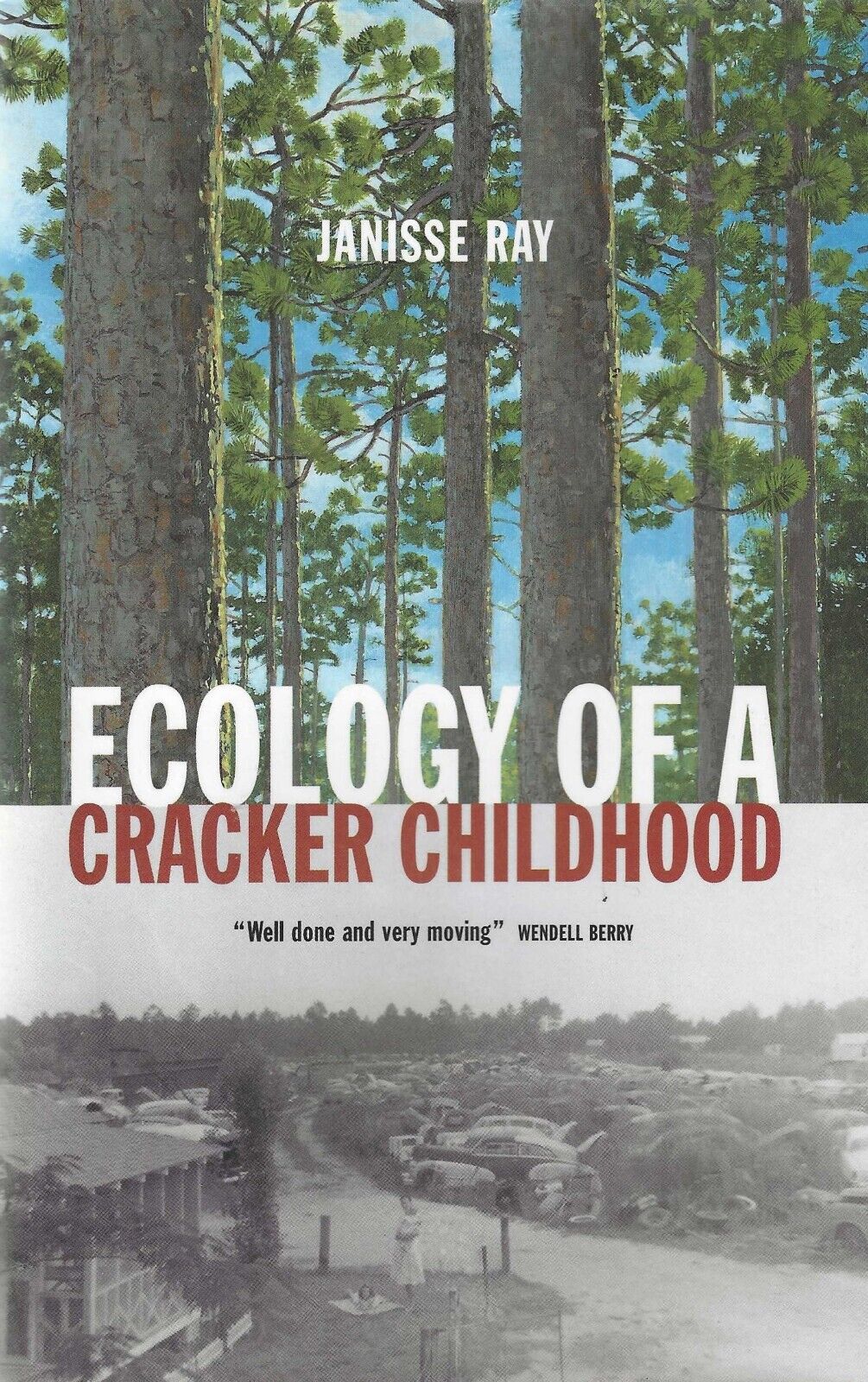
- Ecology of a Cracker Childhood by Janisse Ray
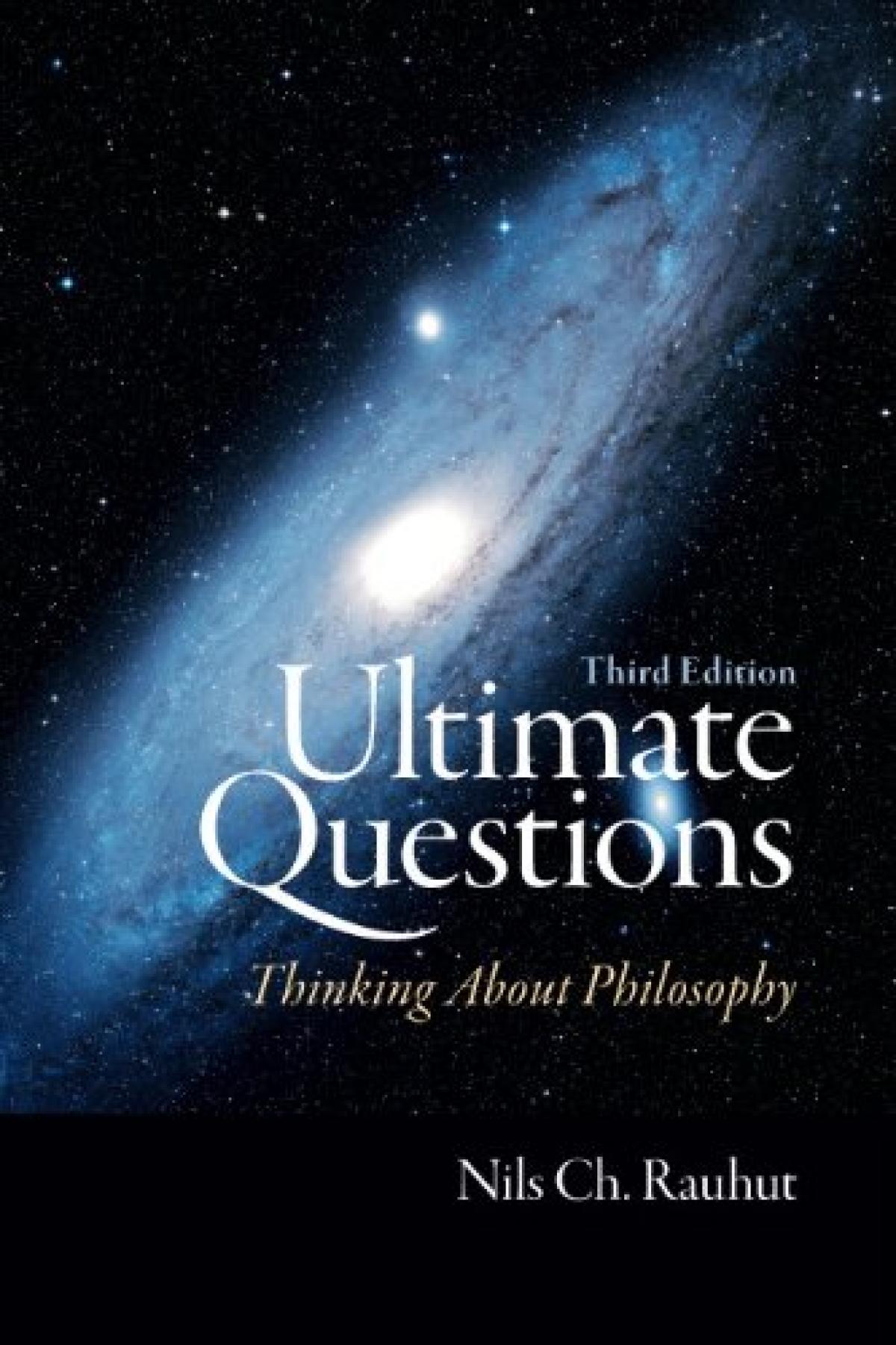
- Ultimate Questions: Thinking about Philosophy, 3rd edition, by Nils Ch. Rauhut
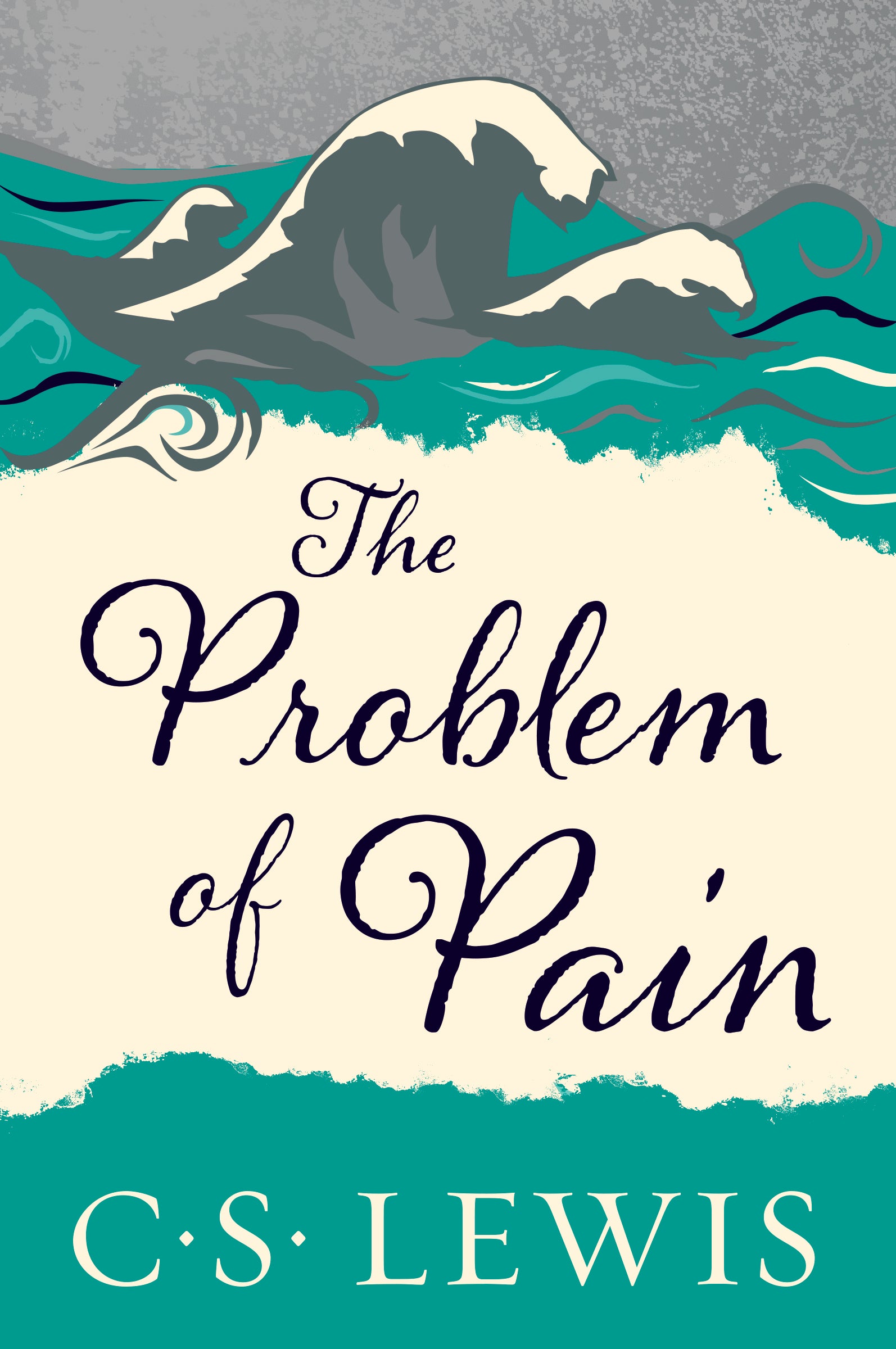
- The Problem of Pain by C.S. Lewis
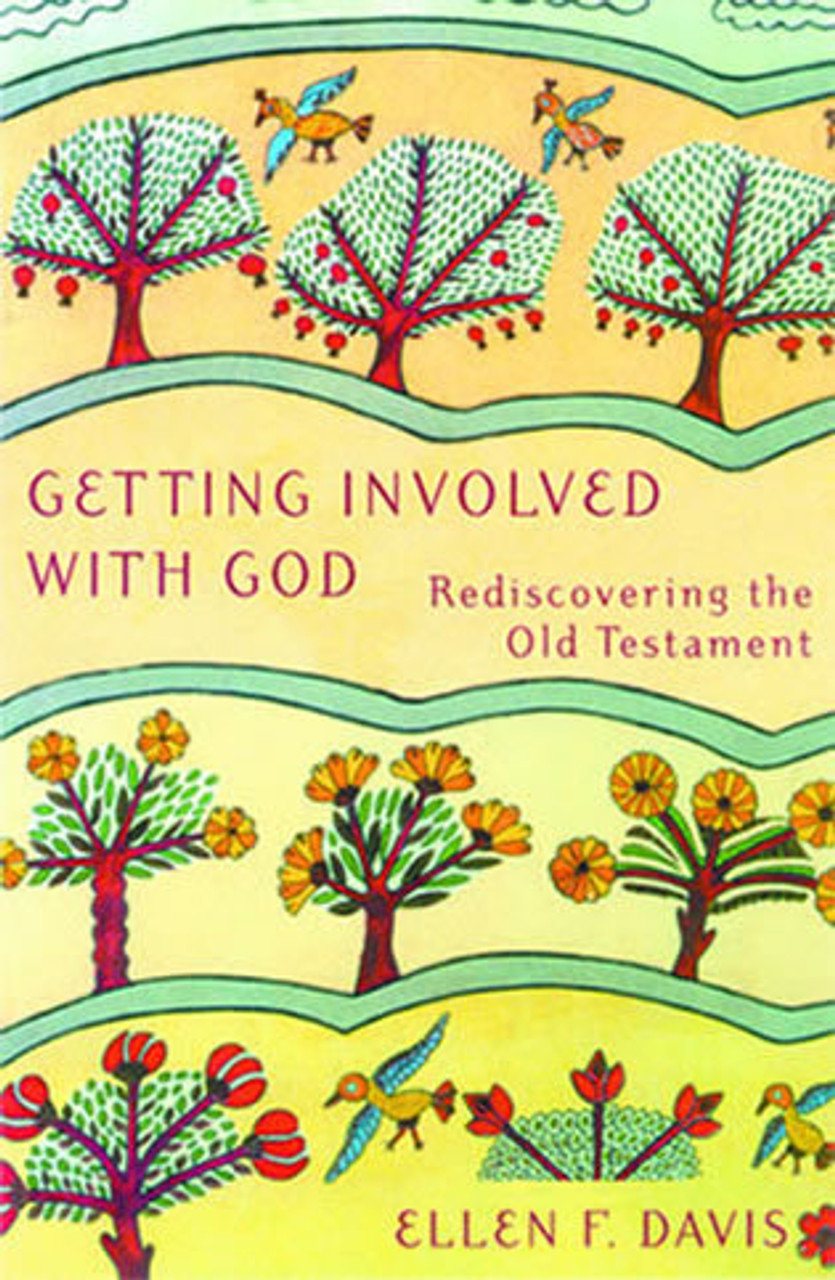
- Getting Involved with God: Rediscovering the Old Testament by Ellen F. Davis
- Questions to All Your Answers: The Journey from Folk Religion to Examined Faith by Roger E. Olson
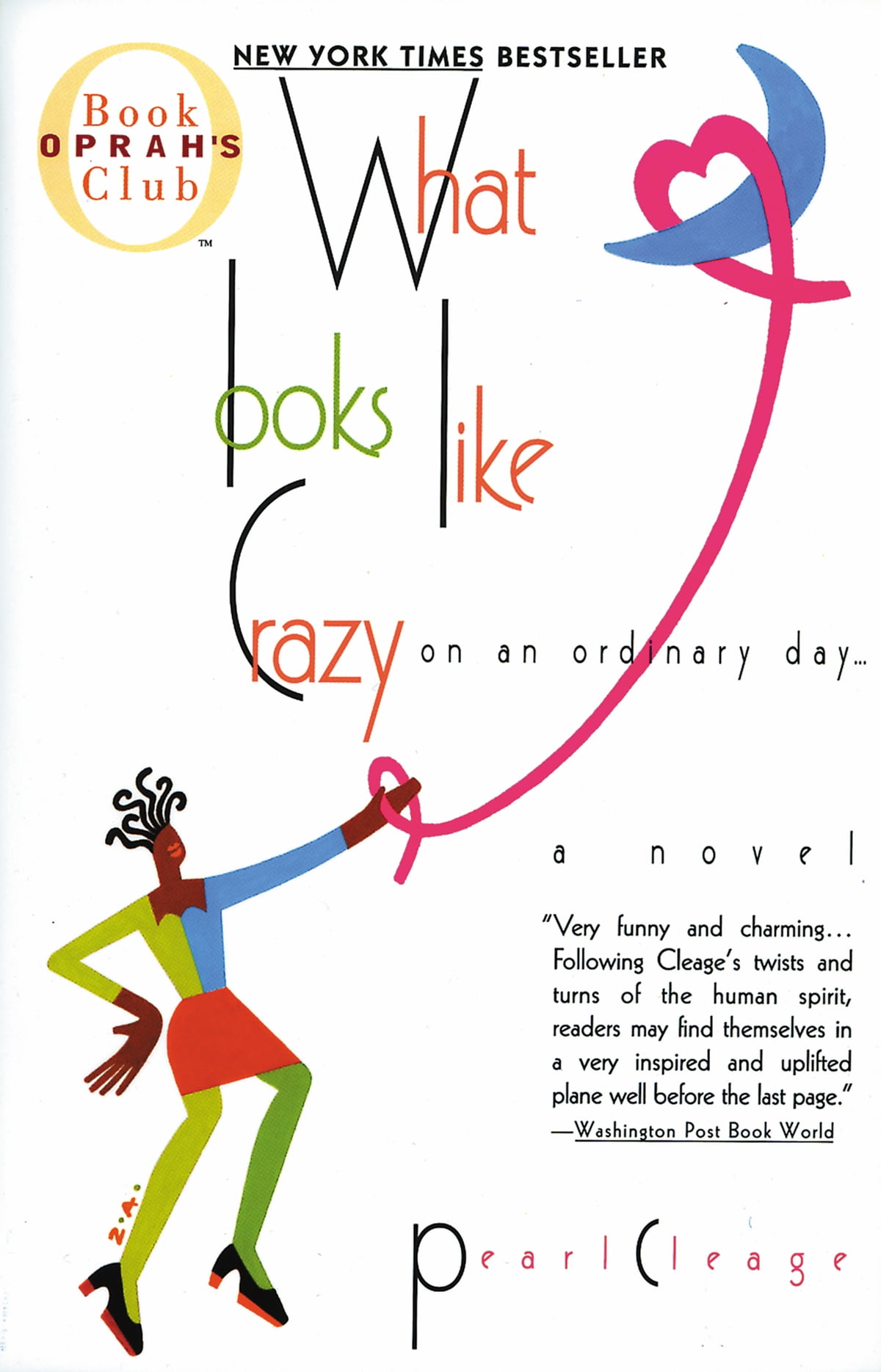
- What Looks Like Crazy on an Ordinary Day by Pearl Cleage
- The Private Life of Mrs. Sharma by Ratika Kapur
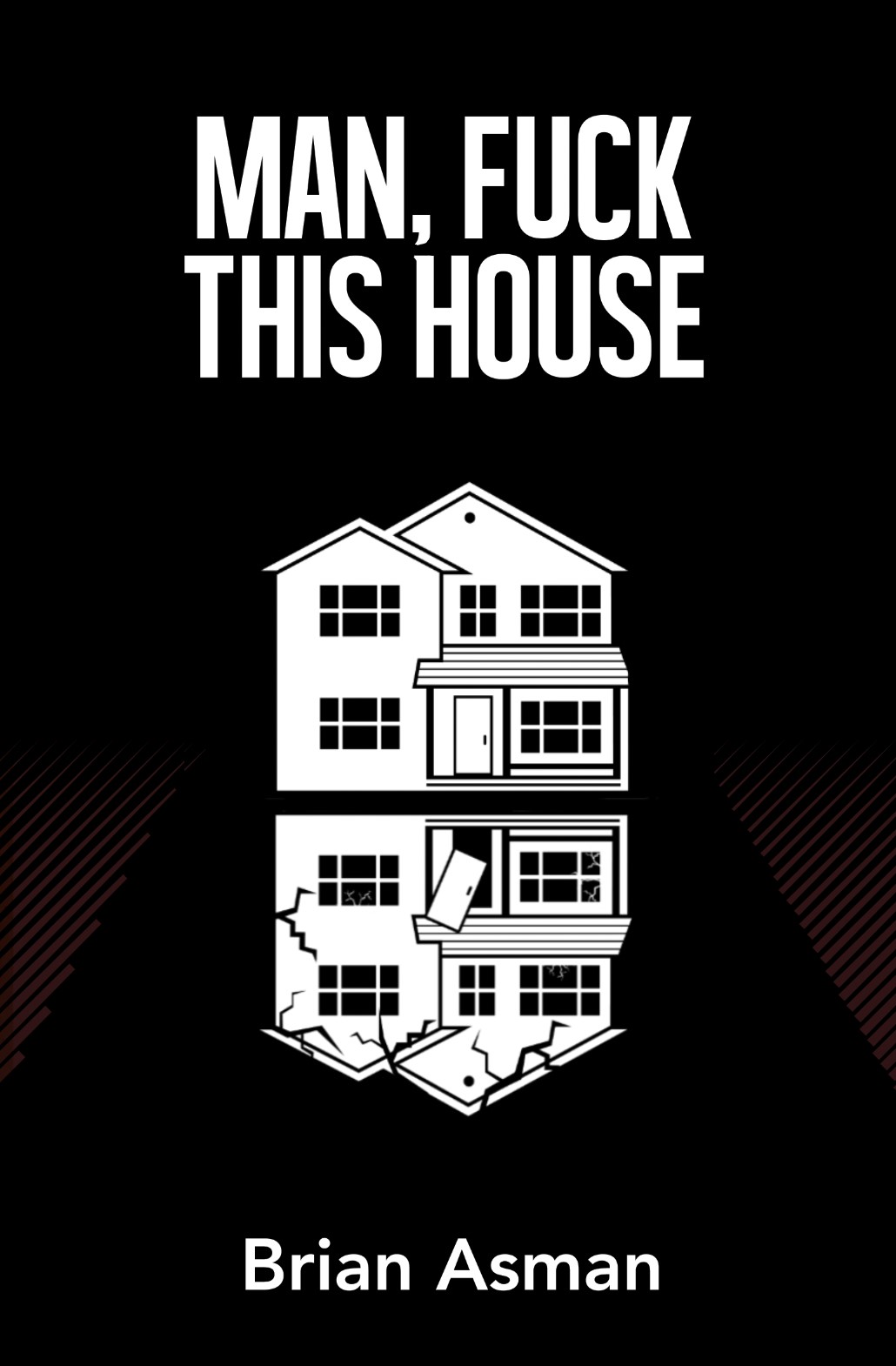
- Man, Fuck This House by Brian Asman
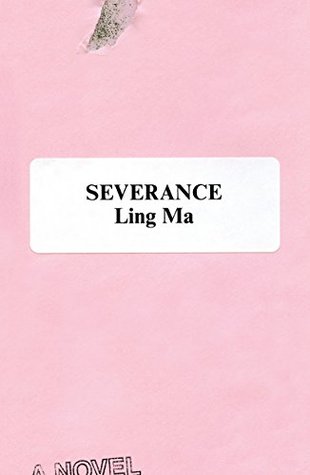
- Severance by Ling Ma
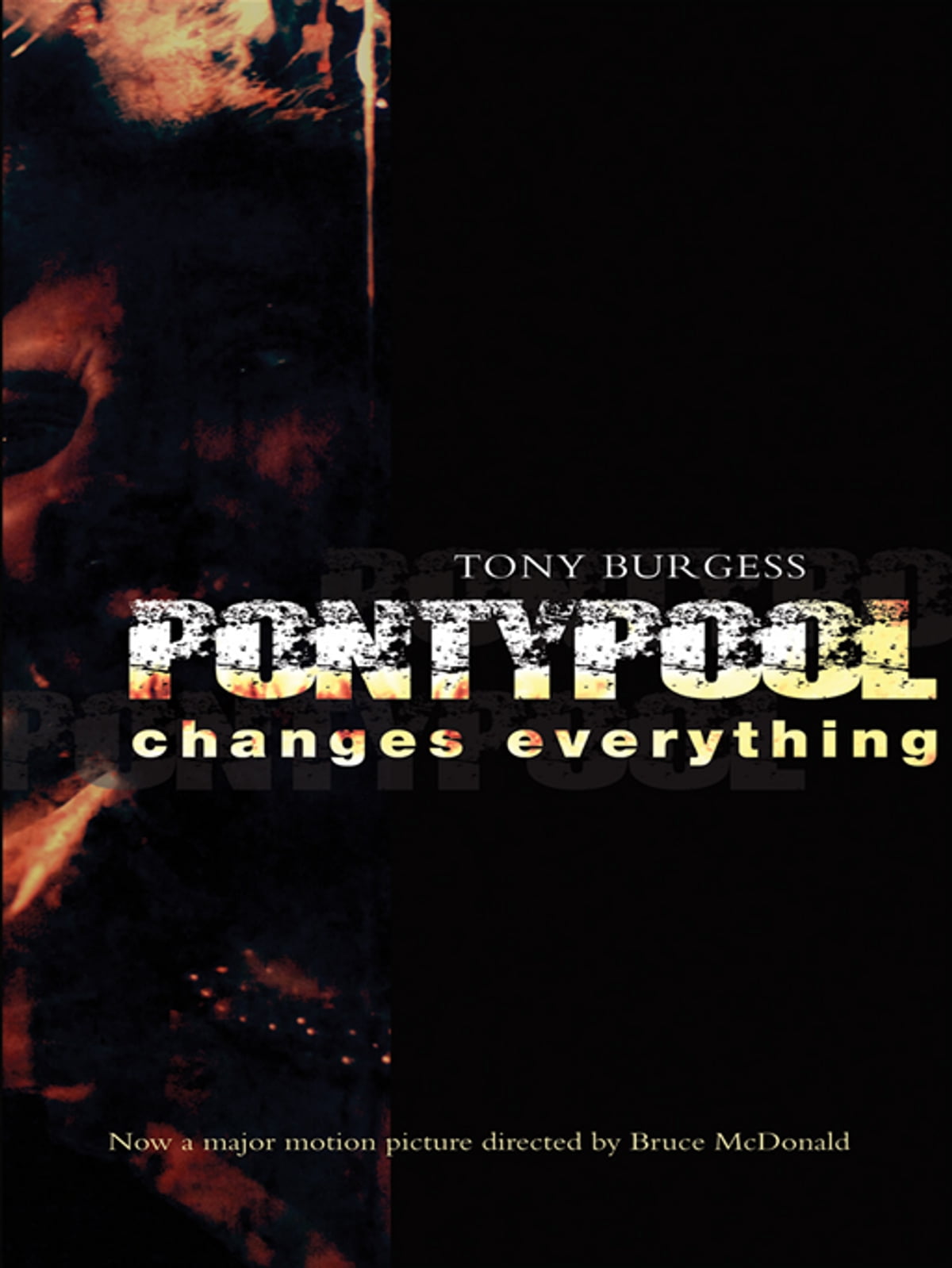
- Pontypool Changes Everything by Tony Burgess
- Whisper by Yu-ko Chang, translated by Roddy Flagg
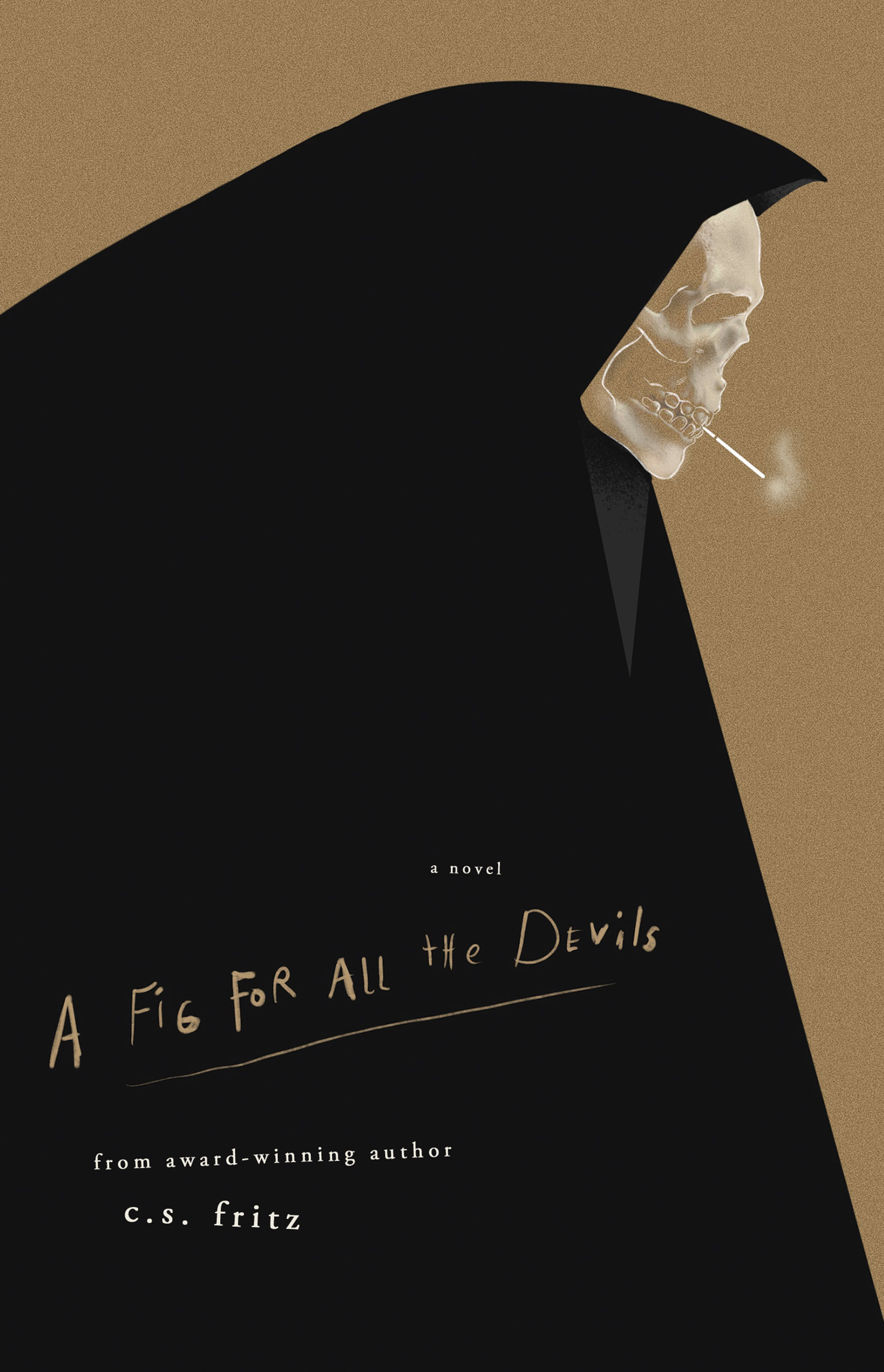
- A Fig for All the Devils by C.S. Fritz
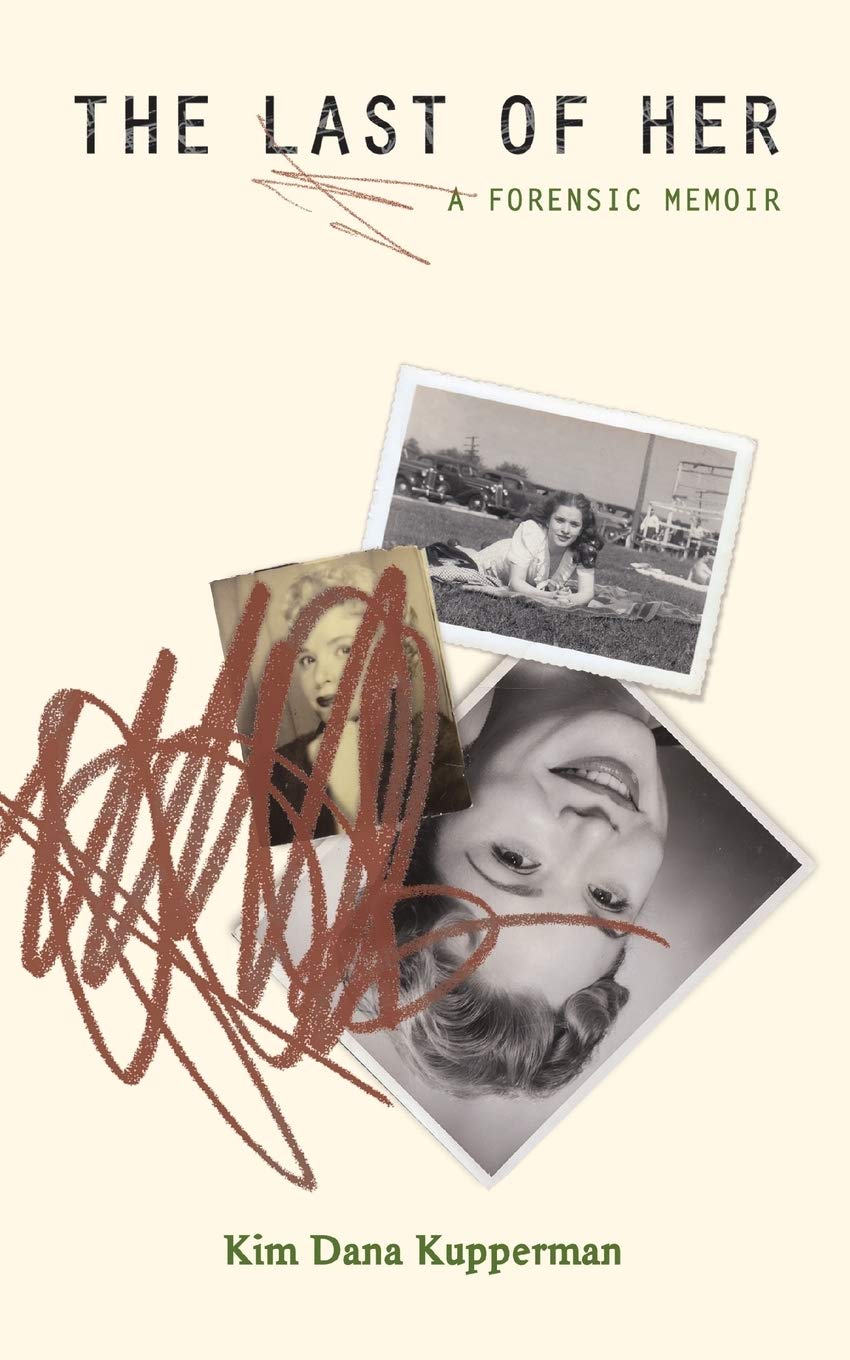
- The Last of Her: A Forensic Memoir by Kim Dana Kupperman
- Health at Every Size by Lindo Bacon
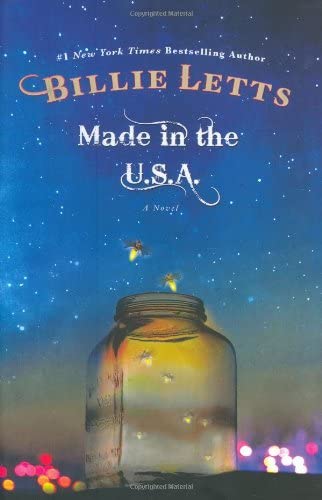
- Made in the U.S.A. by Billie Letts
- Volcano by Time Life Books
- Fingerwording: The Art & Structure of Fingerspelling Words by Molly O’Hara
- Emerging Wings: Becoming Myself: A Bridge between the Hearing and Deaf Communities by Melissa Lewis
Okay, so where am I in this journey? I’ve finished reading 11 books, though I only reviewed the books by women and nonbinary writers. Does this make a difference? Yes, actually, I can focus more without having to write a big review for each title. However, I have encountered book blogs in the past that share a lengthy synopsis and what equates to “I liked it!” at the end, which these folks dub a success for 20 Books of Summer. I tend not to follow such blogs because they’re not saying anything, but if that meets the requirements for a review, I’ve been working overtime since 2013.
what i’ve finished reading
- Rants from the Hill by Michael P. Branch — I loved this one; highly recommended.
- Slaughterhouse-Five by Kurt Vonnegut, Jr. — definitely bonkers; I like Breakfast of Champions better.
- Ecology of a Cracker Childhood by Janisse Ray — review here.
- What Looks Like Crazy on an Ordinary Day by Pearl Cleage — review here.
- The Private Life of Mrs. Sharma by Ratika Kapur — review here.
- Man, Fuck This House by Brian Asman — loved it; unexpected take on the haunted house.
- Pontypool Changes Everything by Tony Burgess — innovative, not for everyone; going to seek out more by this author.
- Whisper by Yu-ko Chang, translated by Roddy Flagg — loved every part even though sadly the parts did not make a whole.
- The Last of Her: A Forensic Memoir by Kim Dana Kupperman — review next week.
- Health at Every Size by Lindo Bacon — review here.





Okay, so that’s four reviews that I’ve actually written. Here is the key to bringing down stress in the 20 Books of Summer challenge! But what’s left?
forthingcoming reads and reviews
Book club books — Severance by Ling Ma, A Fig for All the Devils by C.S. Fritz, and Made in the U.S.A. by Billie Letts.
School texts — Ultimate Questions: Thinking about Philosophy, 3rd edition, by Nils Ch. Rauhut, The Problem of Pain by C.S. Lewis, Getting Involved with God: Rediscovering the Old Testament by Ellen F. Davis, Questions to All Your Answers: The Journey from Folk Religion to Examined Faith by Roger E. Olson, Meditations on First Philosophy by Rene Descartes, and the New International Version of the Bible.
Notice that there are more texts on here than the original list. I had to replace the two Deaf/ASL books I chose on my original twenty to make way for school books I didn’t realize I needed.

Personal choice — Volcano by Time Life Books. I’ve been plodding away with this one, having a wonderful time with the content, but never having more than the 30 minutes after my allergy shot to read it.

am i passing the “therapy’s working” test?
So, am I anxious about 20 Books of Summer? Not in the least. And I don’t feel like not reviewing all of them is cheating, nor is changing the list. Perhaps not “completing” every book? Does it matter that I didn’t read a chapter in C.S. Lewis’ book because it wasn’t assigned? In the end, I still don’t know exactly what makes 20 Books of Summer so enticing — aren’t I just reading? — other than the book lover’s penchant for making lists. But I do know this: letting go of control over the challenge is a major success marker.
 Grab the Lapels
If you’re on Instagram at all, look up Bjorn Steinbekk’s account. He’s an Icelandic photographer and videographer who has been documenting the eruptions of Fagradallsfjall near Reykjavík. I was going to recommend his account on Sunday, but completely forgot his name.
LikeLike
I looked up Steinbekk and found him on YouTube. I remember the story of one of his drones getting hit by lava and crashing! He has amazing footage. As I’m reading my volcano book and these old prototype volcanologists are DRAWING the volcanoes, it’s amazing to compare to the drone footage. The scientists in the 1700’s would have thought it was witchcraft!
LikeLiked by 1 person
That’s brilliant! Glad it isn’t making you so anxious this year.
LikeLike
Thanks, Laura!
LikeLiked by 1 person
I get frustrated by those kinds of reviews too, the ones that just summarise the plot and then say “I loved it”or variations on that theme. If I were a publisher I would not think that was worth sending the blogger a review copy…..
I’m intrigued by the title of Pontypool Changes Everything because there is a place called Pontypool not far from my family home in Wales. So now I’m wondering whether there is any significance to the title – is the author from Wales maybe??
LikeLike
The author is Canadian. Pontypool is actually a village in Ontario, so I wonder if the folks who established that village were Welsh?
Yes, the kinds of reviews that contribute nothing to my interest always have loads of ARCs. I suppose if they add very little but rate the book 5 stars on Amazon or Goodreads, or both, they are helping make the book look good regardless of their paltry contribution.
LikeLike
Oh I think it very very likely the settlers were from Wales.
LikeLiked by 1 person
Woo hoo! that’s so great you are “passing” the therapy’s working test! And since you mentioned your allergy shots, how’s that going? Do you feel like they are helping at all? I hope so!
LikeLike
So far, I don’t think the allergy shots are doing anything other than giving me little fresh bruises every week. I know that Biscuit said they helped her, and my ENT said most people report feeling better after around 9 months.
LikeLiked by 1 person
Hopefully they start kicking in soon!
LikeLiked by 1 person
Yes, I agree about the brief reviews or reviews that are basically a synopsis – it’s part of the reason I no longer accept review books, because I found that I was doing that just to keep on top of the requests. I think all the bloggers I follow now provide much more discussion and/or personal reaction.
I’m glad that you are able to participate without feeling anxious this time around – testament to all your hard work in therapy!
LikeLike
Oddly, I’ve found the reviews that are summary + thumbs up/thumbs down are also so proud of themselves for being so productive, sometimes being popular, or even for getting a review out there “first,” as if that means anything to anyone. And when questioned about their reviews, or at least the people I’ve talked to, they’re incredible defensive. It’s….a bonkers personality that I don’t like.
Thank you for the congrats! It has been hard work. Nick and I were talking about that the other day, and I suppose I hadn’t realized how hard it was as I was doing it.
LikeLike
Yes, I’ll join the chorus re those sorts of “reviews”. Not being a big plot person to start with, retelling the story of a novel is so boring for me.
With all respect to the very lovely Cathy, your question “I still don’t know exactly what makes 20 Books of Summer so enticing — aren’t I just reading?” is exactly mine, and why I have never taken part. I don’t want to feel I HAVE to read a set number of books in a set time, and if the challenge is NOT to read 20 but however many I like then “aren’t I just reading?” I guess in the end, it is about being part of a reading community and I do like the idea of that, but I would feel a fraud.
This is probably a silly question, but what valuable things (ideas) do you think you will come away with from those two courses? BTW you have probably heard this idea – that OT is about a god of wrath, and the NT a god of love. Is that how you are seeing it or is this too simplistic.
LikeLike
I have yet to sort out my thoughts on the 20 Books of Summer because I find that when other folks start sharing their lists, I feel left out. Where does that come from?? Maybe it’s like participating in a 5K in which you can walk or run, and there are also the folks who trained and want to be their old time and come in first place. At the end, why didn’t these people just walk or run in general, if they’re not really training? When I ask Biscuit, who does about a dozen 5K races per year, she says she has fun, even though she gets nervous every time, and she wants to beat her old time, but she also thinks the clock lies when she does. I guess in the end it’s all complicated, but we enjoy “signing up” to do something.
One of the most valuable things I’ve learned about philosophy was from one of Nick’s poker buddies, who helped me understand logical forms better. What I’ve noticed is that he was a philosophy major who translated all of that into high-paying computer jobs. Nick also said that the “this but not that” sort of logic in philosophy is how they sort data, etc. In general, I’ve also learned that I need to change my mind when it the face of a contradiction. So, if I vehemently believe something but run into a flaw, how can I adjust my belief? Some of my school discussion posts have become rather complicated because I’m add all sorts of caveats to my answers, which I find interesting.
As for religion, I like that I am understanding the Bible by reading the Bible, not through other people’s interpretations, which I am learning are both wrong and rampant in churches. For instance, what happens when you die. I think I’ll talk about this more on my next Sunday Lowdown because it’s interesting. The OT God does seem exasperated with how much everyone is screwing up, and he seems more apt to flip the coffee table in anger, so to speak. However, the NT, what I’ve read so far, seems like Jesus is saying yes, follow the OT, but add this part, too. So, it’s maybe God tweaking things, which may be evidence that he’s not perfectly designing things, though the counterargument is that in God’s perfect design humans have free will, so maybe he needs to tweak stuff because we’re kinda wacky at life.
LikeLike
Thanks for taking the time to respond so thoroughly to my comments, Melanie I really appreciate it.
I did a semester on logic at university, but didn’t do philosophy at self. I did find that the logic that it got hard towards the end has been really useful in terms of my work as a librarian and involvement in database systems, but as time has gone on, I think I forgotten some of that logical structure.
The interesting thing about the Bible though, is that it’s written by people reporting on God and how they see God, so it seems to me to perhaps be more a reflection of their times and their thinking than on God?
LikeLike
As to your last point about the Bible, I have no clue. Next summer I will have to take one semester of New testament, and one semester of Old testament. I’m hoping that we go beyond just reading the books, and that we are assigned history or something that will give us contextual information.
LikeLike
My big problem as a book reader/reviewer is that books don’t stick. I read them and then I forget them. So, I’ve read and enjoyed a lot of Kurt Vonnegut over the years, but I barely have a general impression of him, let alone his individual books. Books come and go, sadly, but the two I own at the moment are Breakfast of Champions and Mother Night. Years ago I reviewed Player Piano which I must have found as an audiobook. It’s probably time I reviewed another.
LikeLike
I find that when I read alone I can barely remember the plot. The character’s names are certainly gone. However, if I read with someone else, I’m creating a memory of my time with that person in addition to reading, so it sticks. Or, if someone introduces me to a new-to-me author and I “see the light,” so to speak — that this author is so different from anything I’ve read before that I will create a core memory. With Vonnegut, Breakfast of Champions was one of those books. I’d never read a “grown up book” that had such silliness, nor had I encountered metafiction before.
LikeLike
I’m glad you’re experiencing less anxiety with this year’s 20 Book challenge. Way to go!
Ever since Stefanie wrote about capitalism/productivity culture in her reading life I can’t stop thinking about it in mine. I’m pretty sure I’m not going to do the challenge next summer. I’m thinking about not setting any reading goals for next year whatsoever. Or maybe if I do, just one like “read more by this author that I’ve been meaning to read.” Something super open. I want more freedom and randomness in my reading life.
My son is also doing allergy shots for cats and dust- since March – and he is feeling benefits already. I really hope they work for you!!
LikeLike
Did you notice that Stefanie doesn’t even write full reviews? She writes about her life and what she enjoys, and then she’ll add something about a book that she’s reading and why she likes it? Or isn’t that interested. Maybe that’s a route that you could go? It seems awfully laid back, and like something that would keep you from feeling competitive or like you have to keep being productive.
The ENT specialist did tell me that people usually feel benefits around 9 months. I hope it’s sooner than that. I don’t think your son’s been doing it for 9 months yet, has he?
LikeLike
You know what funny? I don’t write full reviews anymore either. Haven’t had the desire to for a long time. So I write a little about my life and a little about books. The blogging doesn’t stress me out. It’s the reading, the “goals,” the lists, the challenges, etc. Jeanne (Necromancy Never Pays) never talks about reading goals, she just reads. I want to emulate her lol. Basically I just want to read whatever I want to read and stop feeling guilty that I’m not finishing my Classics Club list or whatever. Does that make sense? It’s how I used to read back when I was a kid or in high school.
LikeLike
You know, I honestly don’t remember reading much in high school, but before that, I read all the time. I was that kid who brought a duffel bag because I couldn’t carry all those Sweet Valley Books on my own. At some point I started to feel like an idiot because other students in high school seemed much smarter than I did, so I think I quit reading altogether. Now I’m reading Sweet Valley again, LOL. Right now the only goal I really, truly have is try to and choose books from my “owned” TBR first because I don’t want the pile to get unmanageable, and also because with e-books customers can lose the license to a book they purchased. I remember you saying how few books you own, and I was surprised (because you’re a book person) and not surprised (because you work in a library). Wait, are you a librarian? With the license and whatnot?
LikeLike
I don’t have a masters so I’m not technically a librarian. But I say I am on my tax return, lol. I am a branch manager of a small library branch.
When I say I read in high school, I really mean during my breaks and summer. Too busy to read much during the school year sadly. But I do remember that delicious feeling of being able to read whatever I wanted in summer!
I own quite a few books but have a small unread pile for someone as book crazy as I am. It was 30 ish books at the beginning of the year.
LikeLike
30-ish books is amazing! It’s so weird to me how a master’s degree is required to be a librarian. Now, I get that there are more complicated areas of work, such as creating all the OCLC coding, etc, but when I worked at a library, some of the licensed librarians around me would weed books, or they would put in the request to buy a book that I told them to buy because a patron wanted it. I feel like there need to be more levels to librarian scholarship.
LikeLiked by 1 person
I’m so glad you are enjoying 20 Books of Summer more this year Melanie and that you have less anxiety. I also completely agree with you about certain types of reviews…
LikeLike
There was one summer when I remember somebody saying that they had joined the 20 books of Summer challenge, and that they had finished 100 books and reviewed all of them. LOL, WUT.
LikeLiked by 1 person
Yeah. I don’t think so. Even if I didn’t eat or sleep, I couldn’t achieve that 🤣
LikeLiked by 1 person
I know what you mean about those reviews, but I also felt a pang of terror when I read that – my reviews aren’t like that, right? I sure hope not, I try not to let them be that, and add some useful analysis at the end ahaha
Good on ya for letting go of that anxiety, and enjoying this for what it is – simply reading! LOL I am in awe of you reading all those textbooks though, I hated reading philosophy back in uni, I thought it was the most boring class I ever took, I was terrible at it.
LikeLike
Anne, not at all. You start with a summary and then the entire rest of your post is about what you thought and why. Not even close! I’m surprised that you felt like that might be about you, lol. I’m glad that the philosophy textbook reads more like an essay as opposed to just memorizing definitions. Maybe I perceive it that way because the class requires us to write discussion posts, which totally avoids just spitting out definitions. On the other hand, the exams might be some definition matching.
LikeLiked by 1 person
whew ok I’m so glad to hear I’m not that person. Sometimes I’m writing my reviews and thinking ‘is this obvious? am I just saying dumb stuff here?’ Aaron thinks I have confidence issues (I do) and sometimes that comes out in weird ways haha
LikeLike
You have a format, so that should help — summary section, thoughts section. My stuff gets woven together, which makes me paranoid that I’m just giving summary.
LikeLiked by 1 person
Well you definitely don’t just give summary either Melanie. I see what you mean without a format, but you always add thoughtful commentary throughout, so don’t stress about this
LikeLike
Thank you 🙂
LikeLiked by 1 person
[…] was glad to take a moment and reflect on how the 20 Books of Summer challenge is going, because I see that I am further ahead than I thought just by sticking to school, listening to the […]
LikeLike
I do think the list-making and planning is a big part of the appeal. I’m doing dismally in my reviewing but I’m reading books I might not have otherwise and that’s good enough for me!
LikeLike
If you wanted, you could do really, really mini reviews, such as what you were feeling when you finished the book. Just one post with a bunch of them. It’s something I’m charting this year for my end-of-year stats. Some feelings are “that was wild,” “meh,” and “disappointed.”
LikeLiked by 1 person
I’m going to do some point form reviews and try and catch up that way. I’d like to start September with a relatively clean slate. We’ll see…
LikeLiked by 1 person
Oh brilliant, I am so pleased that you’re managing it without anxiety! For me, I use it to make myself read books from my print TBR, and also this year I’ve selected books I’ve bought from the new local indie bookshop, so I can give them a little boost with each review. Other years I’ve used it to pick off the oldest books on the TBR. I think I’m going to make a little pile of print books to read every month now, as doing that certainly helps me read them.
LikeLike